
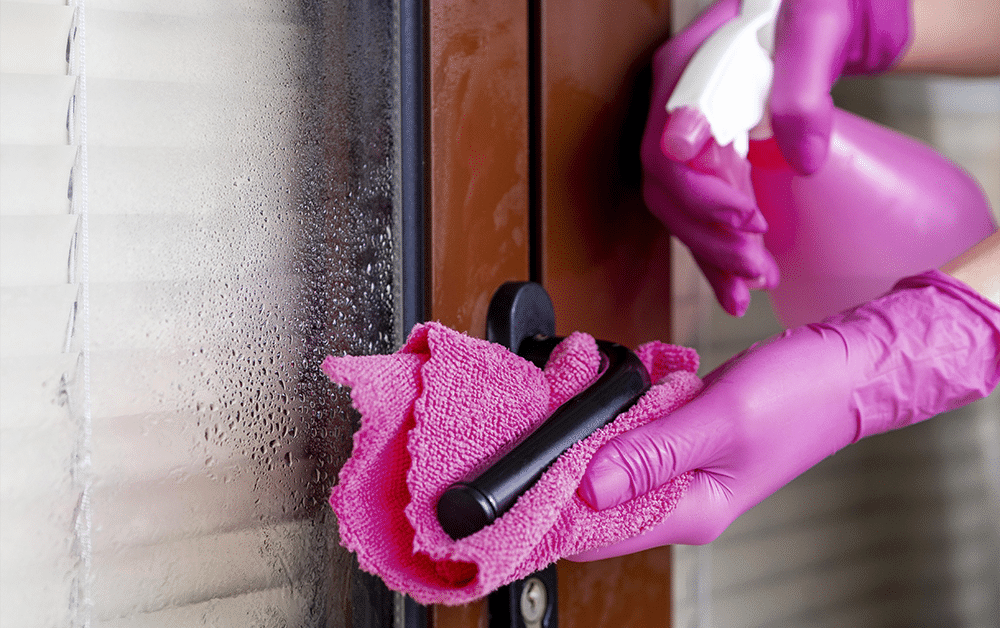
When people clean their windows, they usually focus on the glass. But there is another part that can make an otherwise clean window look dirty: the window track. Dust, pollen, dead insects, hair, moisture and general grime can build up inside the narrow channels around the frame.
The good news is that most window tracks can be cleaned without specialist equipment. A vacuum, soft brush, warm water and a microfibre cloth are enough for regular maintenance. For heavier build-up, however, you need to take a little more care to avoid spreading dirt into the corners or drainage holes.
Why Do Window Tracks Get So Dirty?
Window tracks are easy to overlook because they are partly hidden and often difficult to reach. Every time a window is opened, dust and particles from outside can enter the frame. Moisture from rain or condensation can then turn that loose dirt into a sticky layer of grime.
Tracks can also collect pollen during spring and summer, while dead insects and small pieces of leaves can accumulate in corners. In London homes, pollution and general airborne dirt can add to the build-up, particularly on windows facing busy roads.
This is why a window can have clean glass but still look neglected when you open it.
What You Need to Clean Window Tracks
You do not need an expensive collection of cleaning products. For most household window tracks, start with:
- A vacuum cleaner with a narrow crevice attachment
- An old soft toothbrush or small cleaning brush
- Warm water
- A small amount of washing-up liquid
- Microfibre cloths
- Cotton buds for very narrow corners
- A small bowl or spray bottle
Having the right tools matters more than using strong chemicals. The narrow shape of the track means that a small brush and vacuum attachment can reach areas that a normal cloth cannot.
For heavily soiled tracks, it is better to loosen the dirt gradually rather than soaking the whole area. Excess water can collect around drainage points and seals, so controlled cleaning is safer.
How to Clean Window Tracks Step by Step
1. Vacuum the Loose Dirt First
Before adding any water or cleaning solution, remove as much loose debris as possible.
Run the crevice attachment slowly along the track, paying particular attention to the corners. If your window has more than one channel, check each one rather than cleaning only the most visible section.
This first step is important because adding water immediately can turn dry dust, hair and grit into a muddy paste that is much harder to remove.
2. Loosen Stubborn Grime
Once the loose dirt has been removed, use a small amount of warm water with a little washing-up liquid.
Apply it carefully with a damp cloth or small brush rather than flooding the track. Leave stubborn areas for a few minutes so the grime has time to soften.
For particularly narrow areas, an old toothbrush can be surprisingly effective because the bristles can reach into corners without scratching most common frame surfaces.
3. Scrub the Corners
The corners are usually where the worst build-up remains.
Work gently along the channel, around the edges and into any grooves. Cotton buds can help with tiny spaces that are difficult to reach with a toothbrush.
Do not use excessive force on seals, drainage openings or delicate finishes. If dirt does not move easily, soften it first rather than repeatedly scrubbing harder.
4. Wipe Away the Dirt
Use a clean, damp microfibre cloth to collect the loosened grime. You may need to rinse the cloth several times if the track has not been cleaned for a long time.
Once the visible dirt has gone, use a fresh cloth to remove remaining moisture.
The final drying stage is particularly important around areas where water naturally collects.
Don’t Forget the Drainage Holes
Many modern windows have small drainage openings designed to allow rainwater to escape from the frame. These can become blocked by dust, insects and debris.
When cleaning your tracks, check that these openings are not covered with dirt. However, do not poke sharp objects deep into the drainage system, as this can damage components inside the frame.
If water repeatedly collects inside the track or on the sill even after cleaning, the problem may be more than simple dirt. Blocked drainage, damaged seals or a problem with the frame may require inspection rather than more cleaning.
What About Mould in Window Tracks?
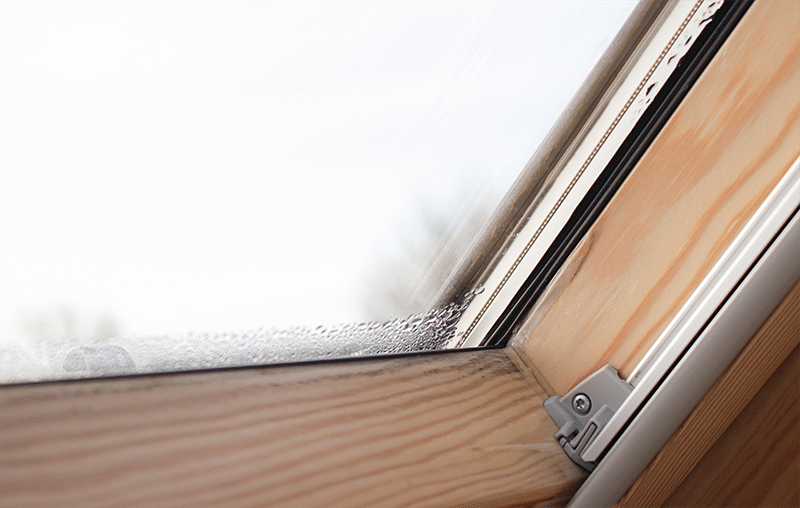
Small areas of surface mould can sometimes develop where moisture and dirt remain together for long periods. This is particularly common around windows that regularly experience condensation.
For a small amount of surface growth, clean the affected area carefully and dry it thoroughly. Avoid mixing different cleaning chemicals, and be especially cautious with strong products around painted surfaces, seals and uPVC frames.
It is also important to remember that cleaning the mould does not necessarily remove the reason it appeared. If condensation remains high or water continues to collect in the track, the mould may return.
A Reddit discussion about mould and algae developing in window tracks similarly highlights the importance of dealing with moisture rather than treating the visible growth as only a cleaning problem.
How Often Should You Clean Window Tracks?
There is no single schedule that works for every home. A quick vacuum every few months can prevent a large build-up, while a more detailed clean can be done when the tracks visibly become dirty.
Homes near busy roads, construction sites or areas with a lot of trees may need more frequent attention. Tracks can also require additional cleaning when windows are regularly opened during periods of high pollen or when condensation is common.
A useful rule is simple: if you can see dust, dirt or debris building up inside the channel, it is time to clean it.
Regular maintenance is much easier than trying to remove years of compacted grime in one session.
Common Window Track Cleaning Mistakes
Some cleaning methods can make the job harder rather than easier.
Using too much water: Excess moisture can collect inside the frame and around drainage points.
Skipping the vacuum: Wetting loose dirt first often creates a muddy residue.
Using abrasive tools: Wire brushes and harsh scrubbing can scratch or damage some surfaces.
Ignoring the corners: The edges often hold the most stubborn grime.
Cleaning only the visible track: Some windows have additional channels or areas that are hidden when the window is closed.
Taking a few extra minutes to clean systematically usually produces a much better result than trying to finish the job as quickly as possible.
When Is Professional Window Cleaning Worth It?
Cleaning the tracks is a manageable DIY task when the build-up is light and the areas are easy to reach. However, window cleaning involves more than just removing dirt from the glass.
If your windows have not been cleaned for a long time, there may be significant grime around the frames, sills and accessible areas. External windows can also be difficult or unsafe to reach, particularly on upper floors.
Professional window cleaning can be useful when you want the whole window area dealt with rather than cleaning only the glass. Keen Clean provides professional window cleaning in London for residential and commercial properties, using professional equipment and purified water.
Their service page also notes that their methods are designed to remove dirt, grime and other build-ups from windows. This makes it a useful option when routine DIY cleaning is no longer enough.
For a broader look at professional window cleaning, you can also read Professional Window Cleaning London: Costs & Property Guide.

Window Tracks Are Small, But They Make a Big Difference
A dirty window track is one of those details that is easy to ignore until you open the window. Once the dust, pollen, insects and grime have accumulated, the whole area can make an otherwise clean home look less maintained.
The best approach is not to wait until the tracks are heavily soiled. Vacuum them periodically, deal with moisture and condensation, and give the corners and drainage areas some attention during your regular window cleaning routine.
If the windows themselves also need attention, combining track, frame, sill and glass cleaning can give a much more complete result than cleaning the glass alone.
For London homes and flats, where windows can be exposed to traffic pollution, dust and seasonal debris, keeping these overlooked areas clean is a small task that can make a noticeable difference.
Frequently Asked Questions
Q: How do you clean window tracks properly?
A: Start by vacuuming loose dirt and debris from the track. Then use warm water with a small amount of washing-up liquid and a soft brush to loosen stubborn grime. Wipe the area with a microfibre cloth and dry it thoroughly, paying attention to corners and drainage openings.
Q: What is the best cleaner for window tracks?
A: For normal dirt, warm water with a small amount of washing-up liquid is usually sufficient. A soft brush can help remove grime from corners and grooves. Avoid unnecessarily strong or abrasive chemicals, particularly around seals, painted surfaces and uPVC frames.
Q: How often should window tracks be cleaned?
A: Window tracks should be checked every few months and cleaned whenever visible dirt starts accumulating. Homes near busy roads, trees or construction may need more frequent cleaning. Regular light cleaning prevents dust and grime from becoming difficult-to-remove deposits.
Q: Can professional window cleaners clean window tracks?
A: It depends on the company and the scope of the service, so it is worth confirming what is included when booking. Professional window cleaning generally covers more than just the glass, and discussing frames, sills and accessible tracks in advance can help ensure the service matches your needs.


