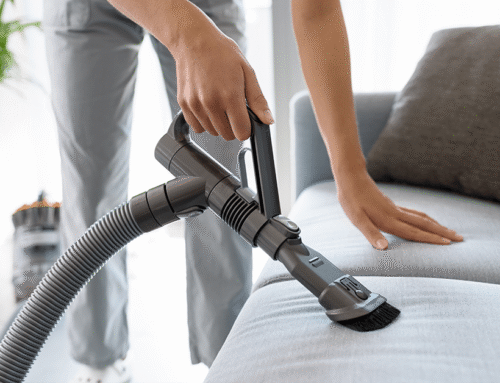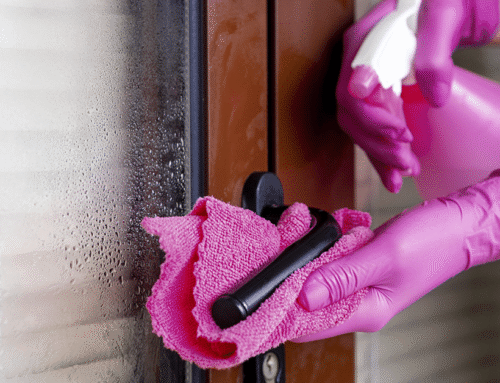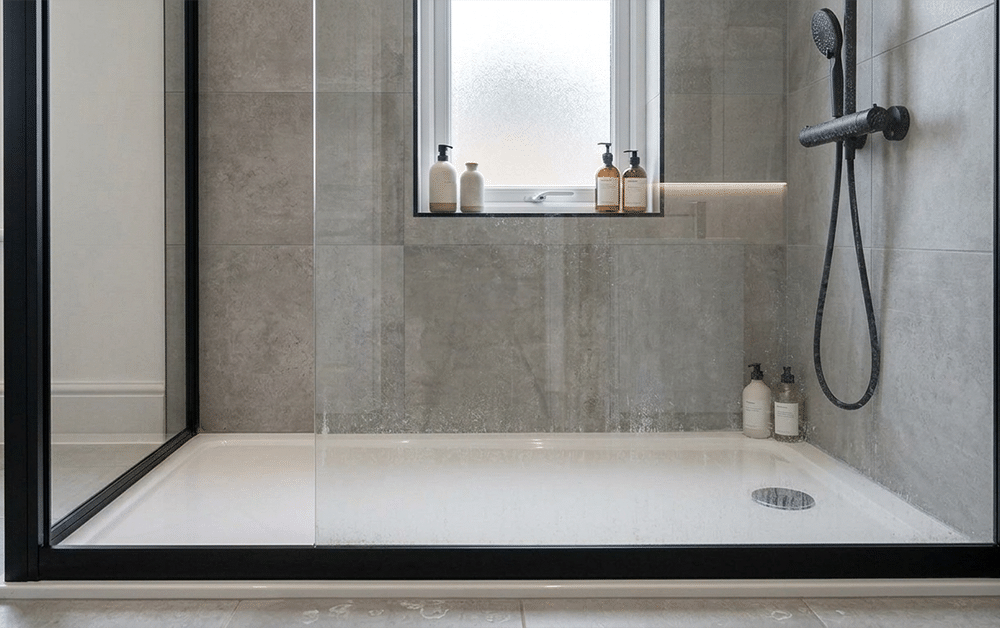
White marks, cloudy patches and stubborn deposits can make even a recently cleaned shower look dirty. In many London homes, these marks are caused by limescale from hard water, which gradually builds up on glass shower screens, doors and surrounding fittings.
The good news is that most fresh limescale deposits can be removed with the right cleaning method. However, using an unsuitable product or abrasive tool can scratch the glass, damage protective coatings or affect metal finishes and seals.
The safest approach is to identify the type of residue first, check the manufacturer’s cleaning instructions and use a suitable product with a non-abrasive cloth or sponge.
Why Does Limescale Build Up on Shower Screens?
Limescale forms when water containing dissolved minerals, particularly calcium and magnesium, evaporates and leaves deposits behind. Every time someone showers, droplets remain on the glass. As they dry, mineral residue accumulates.
Over time, these deposits create a white or cloudy appearance that ordinary bathroom cleaning products may not remove.
There are usually two types of marks on shower glass:
- Limescale: Hard, chalky white deposits caused by minerals in water.
Soap scum: A cloudy or greasy film created when soap and personal care products combine with minerals in water.
The two can appear together, making the screen look particularly dull. Understanding the difference helps you choose an appropriate cleaning method rather than repeatedly wiping the glass with a general-purpose cleaner.
How to Remove Limescale from a Shower Screen Safely
Before using any cleaning solution, check whether your shower glass has a protective coating. Some modern shower screens have specialist treatments designed to repel water and reduce mineral deposits. These surfaces may require specific cleaning products.
For ordinary, uncoated glass, follow these steps:
1. Rinse the Glass First
Use clean, lukewarm water to remove loose dirt, shampoo residue and surface debris. This reduces the risk of rubbing particles across the glass while cleaning.
2. Choose a Suitable Limescale Remover
A product specifically designed for shower glass or limescale removal can help dissolve mineral deposits. Follow the manufacturer’s instructions and check that it is suitable for your particular screen.
Diluted white vinegar is sometimes recommended for ordinary glass, but it should not automatically be treated as safe for every shower enclosure. Protective coatings, metal finishes, natural stone and certain seals may react differently to acidic products.
3. Allow the Product to Work
Apply the cleaner according to its label and leave it for the recommended contact time. Avoid allowing it to dry on the surface.
For heavier deposits, repeating a suitable cleaning treatment is generally safer than using excessive force or stronger chemicals.
4. Wipe with a Non-Abrasive Sponge
Gently clean the glass using a soft microfibre cloth or non-scratch sponge. Pay particular attention to areas where water regularly runs down the screen.
Avoid steel wool, scouring pads, abrasive powders and razor blades. These can leave scratches or damage specialist glass treatments.
5. Rinse and Dry Thoroughly
Rinse away all cleaning product residue with clean water. Use a soft rubber squeegee to remove excess water, then finish with a clean microfibre cloth.
This final step helps prevent new watermarks from appearing as the glass dries.
For additional guidance, consult the manufacturer’s instructions, such as Saint-Gobain’s shower glass maintenance recommendations.
What About the Shower Frame, Seals and Bottom Strip?
Cleaning the glass alone is not enough to make the entire enclosure look fresh. Dirt, soap residue and limescale also collect around the frame, hinges, handles and bottom door strip.
These areas need a slightly different approach because they may contain several materials.
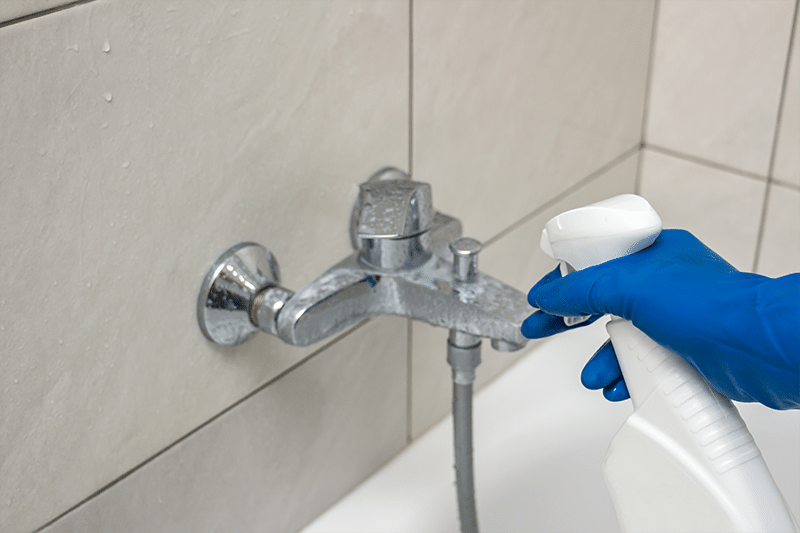
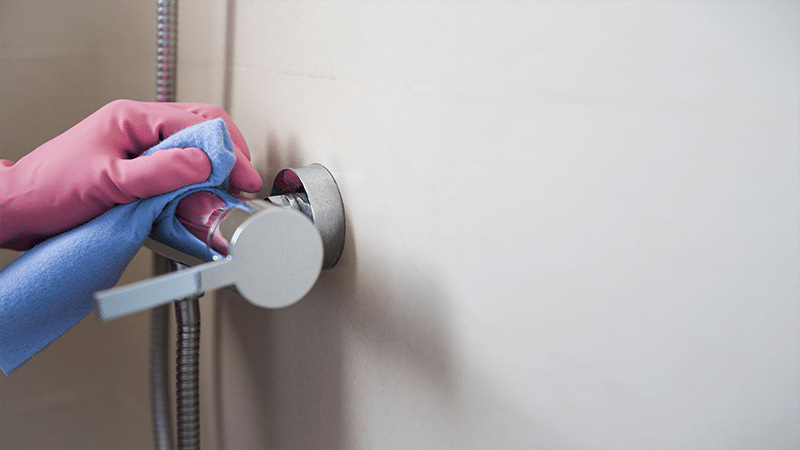
Metal frames and fittings: Use a cleaner approved for the specific finish. Some acidic limescale removers can damage chrome, brass or other decorative finishes.
Rubber seals: Wipe them gently with a suitable bathroom cleaner and a soft cloth. Avoid harsh chemicals that could cause deterioration.
Plastic strips: If the bottom strip is designed to be removed, follow the manufacturer’s instructions before taking it off. Clean accessible areas with a soft brush and rinse thoroughly.
Shower tracks and corners: Use a small, soft cleaning brush to reach accumulated dirt without scratching the surrounding surfaces.
Always rinse away cleaning products carefully, especially where different materials meet.
Cleaning Mistakes That Can Damage Shower Glass
Some popular cleaning tricks can cause more problems than they solve. A shower screen may look particularly dirty, but aggressive treatment is not necessarily the answer.
One common mistake is using a razor blade to scrape off mineral deposits. Although this may appear effective, it can scratch the glass or damage a protective coating.
Another is mixing cleaning products. Never combine vinegar or an acidic limescale remover with bleach. This can release dangerous chlorine-containing fumes. Different cleaning products should only be used together when their manufacturers explicitly confirm that this is safe.
Other mistakes include:
- Using abrasive kitchen sponges or scouring powders.
- Leaving acidic cleaners on metal fittings.
- Applying strong chemicals without checking surface compatibility.
- Scrubbing dry glass before removing loose dirt.
- Using the same cloth for dirty frames and clean glass.
- Assuming every cloudy mark is removable limescale.
If the glass remains cloudy after careful cleaning, the problem may be permanent etching or damage to its surface rather than removable mineral deposits. Repeated scrubbing is unlikely to restore it.
How to Prevent Limescale from Returning
Removing established deposits is only part of the solution. A few small habits can significantly reduce how quickly limescale returns.
The most effective routine is to remove water from the glass before it evaporates.
After each shower, use a squeegee to clear water droplets from the screen. Leave the bathroom ventilated so moisture can escape, and wipe away visible soap residue before it accumulates.
A regular light clean is also easier than dealing with months of hardened deposits. The frequency depends on how often the shower is used and the mineral content of the water.
For more general household maintenance, our guide to deep cleaning versus regular cleaning in London explains why routine upkeep and occasional detailed cleaning serve different purposes.
When Should You Consider Professional Cleaning?
If your shower screen has extensive soap residue, dirt around the enclosure, neglected fittings or heavy bathroom buildup, cleaning the glass alone may not be enough.
A more thorough bathroom clean can address the surrounding surfaces and help restore the overall appearance of the room. It is particularly useful when routine maintenance has been neglected or when preparing a property for guests.
Keen Clean provides professional home cleaning in London, including attention to bathrooms and kitchens as part of its domestic cleaning service. For properties requiring more intensive attention, customers can also enquire about one-off deep cleaning in London.
Professional cleaners can help tackle general bathroom grime and accumulated residue, while specialist restoration may be needed if glass has been permanently etched or its coating has been damaged.
Frequently Asked Questions
Q: Can vinegar remove limescale from shower glass?
A: Diluted white vinegar can help dissolve limescale on some ordinary glass surfaces. However, it may not be suitable for coated glass, certain metal finishes, natural stone or sensitive seals. Always check the manufacturer’s instructions before using it.
Q: Why does my shower screen look cloudy after cleaning?
A: Cloudiness can be caused by remaining limescale, soap scum, cleaning product residue or permanent surface damage. If suitable cleaning does not improve the appearance, the glass may be etched or its protective coating may have deteriorated.
Q: Can I use a razor blade to remove limescale from a shower screen?
A: It is safer to avoid razor blades, particularly on coated or unfamiliar glass. They can scratch the surface or damage protective treatments. Use an appropriate limescale cleaner and a non-abrasive sponge instead.
Q: How can I stop limescale building up on shower glass?
A: Use a soft rubber squeegee after showering to remove excess water, ventilate the bathroom and clean the screen regularly. Removing water before it evaporates helps prevent mineral deposits from accumulating.
Final Thoughts
Keeping a shower screen clear is easier when limescale is dealt with regularly rather than left to build up. The right cleaning product, a soft cloth and a few simple maintenance habits can make a noticeable difference without putting the glass at risk.
However, not every shower screen is made or treated in the same way, so checking the manufacturer’s recommendations should always come first. For a more thorough clean of your home, Keen Clean can help with professional domestic and one-off cleaning services across London.