A mattress collects more than dust. Over time, sweat, body oils, dead skin cells, accidental spills and everyday use can leave it looking less fresh and sometimes cause unpleasant smells. Regular vacuuming helps with surface dirt, but it cannot deal with every stain or contamination trapped in the fabric.
Knowing how to clean a mattress properly can help you keep it fresher and avoid damaging its materials. However, mattresses are not all made the same way. Memory foam, pocket-sprung and traditional mattresses may have different care requirements, so choosing the right cleaning method is essential.
This guide explains how to clean a mattress at home, deal with common stains and odours, and dry it properly. It also covers when professional mattress cleaning may be the better option.
How Often Should You Clean Your Mattress?
There is no single cleaning schedule that suits every mattress. How often it needs attention depends on how frequently it is used, whether you have pets, whether anyone suffers from allergies and how well the bed is maintained.
As a general routine:
- Vacuum the mattress when changing the bedding or as part of your regular bedroom cleaning.
- Wash removable mattress protectors according to their care labels.
- Deal with spills and fresh stains as soon as possible.
- Air the mattress regularly by pulling back the bedding and allowing moisture to evaporate.
- Consider a deeper clean when you notice persistent marks, odours or visible dirt.
A mattress protector is particularly useful because it creates a washable barrier between the mattress and everyday spills, sweat and dirt.
How to Clean a Mattress at Home Step by Step
Before using any cleaning product, check the manufacturer’s care instructions. This is especially important for memory foam mattresses and models with specialist fillings or removable covers. A cover that has a zip is not necessarily designed to be removed and machine-washed.
1. Remove the Bedding and Vacuum the Mattress
Take off the sheets, duvet and mattress protector. Wash the removable items according to their labels.
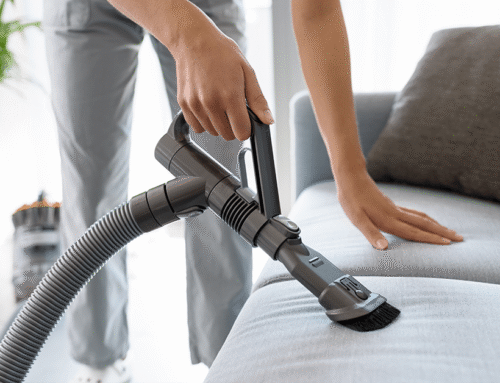
Use a vacuum cleaner with a suitable upholstery attachment to remove loose dust, hair, crumbs and other surface debris. Pay attention to seams, edges and the area around the mattress handles, where dirt can accumulate.
Avoid pressing too hard or using an unsuitable brush attachment, particularly on delicate fabrics.
2. Treat Small Stains Carefully
For a fresh mark, start by identifying what caused it. Different stains may require different treatments, and using several cleaning products together can make the problem worse.
For most minor marks, a cautious approach is best:
- Use a clean, soft microfibre cloth.
- Apply a small amount of an appropriate cleaning solution to the cloth rather than pouring it directly onto the mattress.
- Blot gently, working from the outside of the stain towards the centre.
- Use another clean cloth to remove any remaining residue.
- Avoid soaking the material or scrubbing aggressively.
Always test a cleaning product on a small, inconspicuous area first. If the mattress manufacturer advises against wet cleaning, do not use a homemade solution.
3. Remove Unpleasant Mattress Odours
Mattress smells can come from sweat, spills, pets or moisture that has not dried properly. Simply spraying an air freshener over the surface may temporarily mask the smell without addressing its cause.
First, remove the bedding and allow the mattress to air. If the manufacturer’s instructions permit it, vacuum the surface and use a suitable product designed for the mattress material.
Baking soda is sometimes used to absorb surface odours, but it is not a universal solution. Check that it is suitable for your mattress, apply it cautiously and vacuum away all residue afterwards. Avoid introducing moisture if the mattress cannot be safely wet-cleaned.
If an unpleasant smell remains, the contamination may have reached deeper into the filling. In that situation, repeated surface treatments may not solve the problem.
How to Deal with Common Mattress Stains
Different stains need different approaches. The most important rule is to avoid using excessive water, heat or aggressive chemicals.
Sweat and Yellow Stains
Yellowish marks can develop over time as sweat and body oils accumulate. Start with the manufacturer’s recommended cleaning method and use a suitable upholstery or fabric cleaner only if permitted.
Do not assume that a stronger cleaning product will produce a better result. Some chemicals can discolour the fabric or affect the mattress filling.
Urine Stains and Smells
Urine can leave both a visible mark and a lingering smell. Blot fresh liquid immediately with dry towels, pressing gently to absorb as much as possible.
If the care instructions allow, use a suitable enzyme-based product following its label. These products are designed for certain organic stains, but they must still be compatible with the mattress material.
Avoid flooding the affected area. If liquid has penetrated deeply, surface cleaning may not be enough.
Blood Stains:
Blood stains should be treated promptly. Use cold water rather than hot water and gently blot the affected area without rubbing.
For more detailed instructions, read our guide on how to remove blood stains from a mattress. It explains the different approaches and why careful treatment matters.
Food and Drink Spills
Remove any solid residue carefully without spreading it. Blot liquid spills with a clean, dry cloth and then follow the mattress manufacturer’s advice for spot cleaning.
Coffee, tea and other coloured drinks may leave marks if they are allowed to dry. Avoid applying several household products one after another, as this can leave residue or make the stain harder to treat.
How to Dry a Mattress Properly After Cleaning
Drying is just as important as removing the stain. A mattress that remains damp inside can develop a musty smell, and prolonged moisture may create conditions for mould growth.
After spot cleaning:
- Press clean, dry towels against the treated area to absorb excess moisture.
- Remove the towels and allow air to circulate around the mattress.
- Open windows where practical or use a fan to improve ventilation.
- Keep bedding and mattress protectors off until the surface is completely dry.
- Do not put the mattress back into regular use while it is still damp.
Avoid using direct high heat unless the manufacturer specifically recommends it. Hairdryers, heaters and steam equipment can damage some materials or create uneven drying.
Memory foam and other dense fillings can take considerably longer to dry than the surface suggests. If moisture has penetrated deeply, allowing extra drying time is essential.
Common Mattress Cleaning Mistakes to Avoid
A well-intentioned cleaning attempt can sometimes cause more damage than the original stain. Be particularly careful about these mistakes:
Using too much water: Mattresses are not designed to be soaked, and moisture can become trapped inside.
Scrubbing aggressively: This can damage the fabric, spread stains or affect the surface texture.
Mixing cleaning products: Combining chemicals can create harmful reactions or leave unwanted residues.
Using steam without checking: Not every mattress is suitable for steam cleaning. Always follow the manufacturer’s instructions.
Putting bedding back too soon: Covering a damp mattress can slow down drying and encourage musty smells.
Ignoring the care label: Different materials require different cleaning methods.
If you are unsure whether a product or method is safe, check with the mattress manufacturer before proceeding.
When Should You Choose Professional Mattress Cleaning?
Home cleaning is useful for routine maintenance and small, fresh marks. However, some situations are more difficult to manage without specialist equipment and experience.
Professional cleaning may be worth considering when:
- Stains remain after careful spot treatment.
- Unpleasant odours return after cleaning.
- The mattress has accumulated visible dirt over a long period.
- A spill has penetrated beyond the surface.
- You are unsure which cleaning method is suitable for the mattress material.
Professional treatment can involve assessment, pre-treatment, targeted stain removal and an appropriate cleaning process. The method should always take account of the mattress construction and care requirements.
At Keen Clean, mattress cleaning is included within our wider upholstery cleaning service in London. The service covers mattresses as well as sofas, armchairs and other upholstered furniture. The team uses professional equipment and selects the cleaning approach according to the material and its condition.
If you are also looking after your sofa, our article on how often you should have your sofa professionally cleaned explains how regular upholstery maintenance can help keep frequently used furniture in better condition.
Frequently Asked Questions
Q: Can you clean a mattress without getting it wet?
A: Yes. Vacuuming and suitable dry-cleaning methods can help remove surface dust and some dirt. However, removing deeper stains may require an appropriate cleaning treatment.
Q: How long does a mattress take to dry after cleaning?
A: It depends on the cleaning method, mattress material, ventilation and how much moisture was used. Always allow it to dry completely before replacing the bedding.
Q: Can you use baking soda to clean a mattress?
A: Baking soda can help absorb some surface odours, but it does not remove every type of stain or deep contamination. Check the manufacturer’s care instructions before using it.
Q: Can memory foam mattresses be professionally cleaned?
A: Yes, but the cleaning method must be suitable for the specific memory foam material. Excessive moisture and unsuitable products should be avoided.
Final Thoughts
Cleaning a mattress at home does not have to be complicated, but it does require care. Regular vacuuming, prompt attention to spills and proper ventilation can help keep it fresher for longer.
The most important thing is to avoid excessive moisture and unsuitable cleaning products. Always check the manufacturer’s instructions before treating stains, especially on memory foam and specialist mattress materials.
When marks, dirt or persistent odours are difficult to remove, professional treatment may offer a more suitable solution. Keen Clean provides mattress cleaning as part of its upholstery cleaning service across London, helping homeowners care for the soft furnishings they use every day.