You have cleaned the kitchen, vacuumed the floors and wiped down the surfaces, yet an unpleasant smell still lingers. If your house smells after cleaning, the problem may not be a lack of cleanliness. Odours can come from hidden food residue, drains, damp materials, upholstery or areas that are difficult to reach during a normal cleaning routine.
The key is to identify where the smell originates rather than covering it with air freshener. Different odours require different solutions, and repeatedly cleaning the wrong area may not solve the problem.
In this guide, we explain the most common reasons a home continues to smell after cleaning, how to investigate the source and when professional cleaning may help.
Why Does My House Still Smell After Cleaning?
A home can smell unpleasant after cleaning because the source of the odour has not been removed, moisture remains trapped in a material, or bacteria and organic residue are still present in an overlooked area. Cleaning visible surfaces improves appearance, but it does not necessarily reach every source of persistent smells.
Start by noticing when the odour is strongest. Does it return after cooking, become more noticeable when the heating comes on, or linger in one particular room? These clues can help you narrow down the cause before trying another cleaning product.
1. Soft Furnishings Can Hold on to Odours
Curtains, sofas, cushions, mattresses and upholstered chairs absorb particles from everyday life. Cooking fumes, body oils, perspiration, smoke and pet-related odours can gradually build up in fabrics, even when the room looks clean.
Vacuuming removes loose dust and debris, but it may not eliminate odour-causing residue embedded deeper in the material. Spraying fragrance over the surface can temporarily disguise the smell without addressing its source.
What you can do:
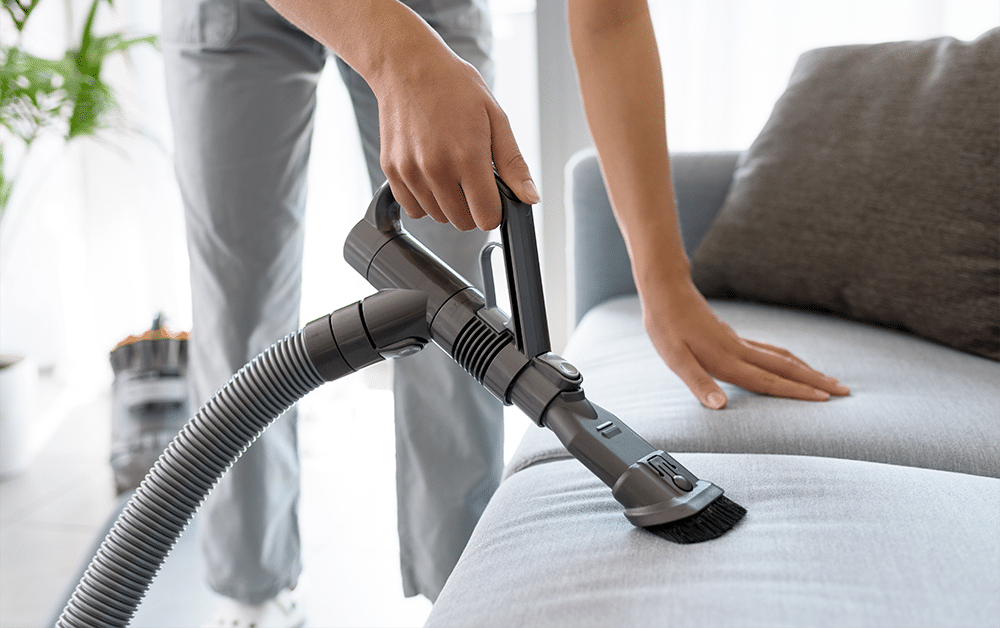
- Vacuum upholstered furniture using a suitable attachment, paying attention to seams and gaps.
- Wash removable cushion covers according to their care labels.
- Open windows when practical to improve ventilation and help disperse lingering smells.
- Avoid soaking upholstery with homemade solutions, as excess moisture can create another problem.
If the smell remains embedded in the fabric, professional upholstery cleaning in London may be worth considering. The appropriate method depends on the fabric, its care instructions and the type of contamination.
2. Drains and Kitchen Waste May Be the Source
A clean kitchen can still smell unpleasant if residue has accumulated inside a sink drain, around a plughole or in a bin. Food particles, grease and organic waste can produce persistent odours even after the surrounding surfaces have been wiped down.
Check the inside and underside of the bin lid, the area beneath the bin liner, food traps and the sink overflow opening where accessible. Clean removable components according to the manufacturer’s instructions and allow them to dry.
For sink drains, remove accessible debris and clean the plug and surrounding surfaces. Do not pour multiple cleaning chemicals into a drain or mix products in an attempt to create a stronger cleaner. If the smell resembles sewage, keeps returning or affects several rooms, a plumbing or drainage problem may need investigation.
A fresh-smelling kitchen depends on more than clean worktops: the hidden areas where residue accumulates matter too.
3. Dampness Can Cause a Persistent Musty Smell
A musty or earthy smell deserves particular attention. It can indicate trapped moisture, condensation or mould, including in places that are not immediately visible.
Check around windows, behind furniture, beneath sinks, near external walls and in rooms where ventilation is limited. Wet towels, laundry dried indoors and bathroom moisture can also contribute to lingering damp smells.
Opening windows when weather and security allow, using functioning extractor fans and drying wet surfaces can help manage everyday moisture. However, these steps will not fix a leaking pipe, water penetration or another underlying building defect.
The UK government’s guidance on understanding and addressing damp and mould in the home explains that a mouldy smell can sometimes indicate hidden growth behind surfaces or beneath flooring.
If you suspect mould, avoid disturbing a potentially affected area unnecessarily. Cleaning alone will not resolve the problem if the source of moisture remains.
4. Carpets May Still Contain Odour-Causing Residue
Carpets collect dust, food crumbs, spilled drinks, pet-related contamination and other debris. Some substances penetrate beyond the visible fibres into the backing or underlay, where ordinary vacuuming cannot reach them.
Another common problem occurs when a carpet becomes too wet during DIY cleaning and does not dry properly. The resulting musty smell may become more noticeable after the cleaning process rather than immediately.
For a small, fresh spill, blot the area with a clean cloth instead of rubbing it. Use a product suitable for the carpet material, test it on an inconspicuous area and follow the instructions carefully. Avoid adding more liquid if the carpet is already damp.
Our guide to cleaning carpets with baking soda and vinegar explains the limitations of this popular home remedy. It may help with certain light surface issues, but it cannot reliably remove contamination deep within the carpet.
When odours persist, professional carpet cleaning may help remove embedded soil and residue using an appropriate cleaning method. If the smell is caused by mould, a leak or contaminated underlay, the underlying problem must also be addressed.
5. Cleaning Products Can Leave Residue Behind
Using more cleaning product does not always produce a better result. Excess detergent, unsuitable products or insufficient rinsing can leave a film on certain surfaces and fabrics. That residue may attract dirt, feel sticky or contribute to an unpleasant smell.
This is particularly relevant when cleaning floors, upholstery and carpets. A strong fragrance can also make it difficult to determine whether the original odour has actually disappeared.
Follow the recommended dilution and application instructions, and use only products suitable for the material being cleaned. Never mix bleach with vinegar, ammonia or other cleaning products, as dangerous gases or reactions can result.
If an odour appeared immediately after cleaning, consider whether a new product, excessive moisture or incomplete drying could be responsible. Repeating the same treatment may make the problem worse.
6. The Smell May Be Coming from an Overlooked Area
Sometimes the source is simply outside the usual cleaning routine. Consider checking:
- Behind and underneath appliances, where food debris and dust may collect.
- Refrigerator seals, drip trays and areas around stored food.
- Washing machine door seals and detergent drawers.
- Pet bedding, feeding areas and washable accessories.
- Bathroom grout, shower seals and areas around toilets.
- Laundry baskets and damp cleaning cloths left in enclosed spaces.
Investigate one area at a time rather than cleaning the entire property again. If the smell is strongest near an appliance, drain or plumbing fixture, check whether maintenance is required instead of relying on household cleaning products.
How to Get Rid of Persistent Smells in Your Home
A practical approach is to identify the odour, remove its source, clean the affected area appropriately and ensure it dries fully. Air fresheners and scented candles may improve the immediate atmosphere, but they do not remove the underlying cause.
Use this simple checklist:
Locate the smell: identify the room, surface or time when it becomes strongest.
Check for moisture: look for damp fabrics, condensation, leaks or signs of mould.
Remove the source: dispose of spoiled food, clean affected surfaces or arrange repairs where necessary.
Clean safely: choose products suitable for the material and never mix chemicals.
Allow proper drying: improve ventilation where practical and follow product instructions.
Reassess the result: if the smell returns, investigate deeper contamination or an unresolved fault.
If the odour persists despite appropriate cleaning, consider whether the issue needs a specialist rather than another round of routine household cleaning.
When Should You Book Professional Cleaning?
Professional cleaning can be useful when odours are associated with embedded dirt in carpets, upholstery or other surfaces that require specialist equipment. It may also be helpful when a property needs a more thorough clean than its regular maintenance routine provides.
Keen Clean offers one-off cleaning in London for homes that need additional attention beyond routine cleaning. The appropriate service depends on where the smell originates and what is causing it.
Be clear about the type of odour, when it started and whether you have already tried cleaning the affected area. This information helps determine whether a cleaning service is suitable or whether plumbing, building maintenance or specialist mould remediation should come first.
Professional cleaning is not a substitute for repairing a leak, resolving persistent dampness or addressing a faulty drain. Identifying the correct cause is the most important step towards a lasting result.
Final Thoughts
If your house still smells after cleaning, there is usually a reason worth investigating. Soft furnishings, carpets, drains, damp areas and product residue can all contribute to persistent odours, but each requires a different approach.
Instead of masking the smell, locate its source and choose the appropriate solution. When embedded dirt is the problem, Keen Clean can help with suitable professional cleaning services across London. If the odour points to damp, mould or a maintenance issue, deal with that underlying cause first so the problem is less likely to return.